

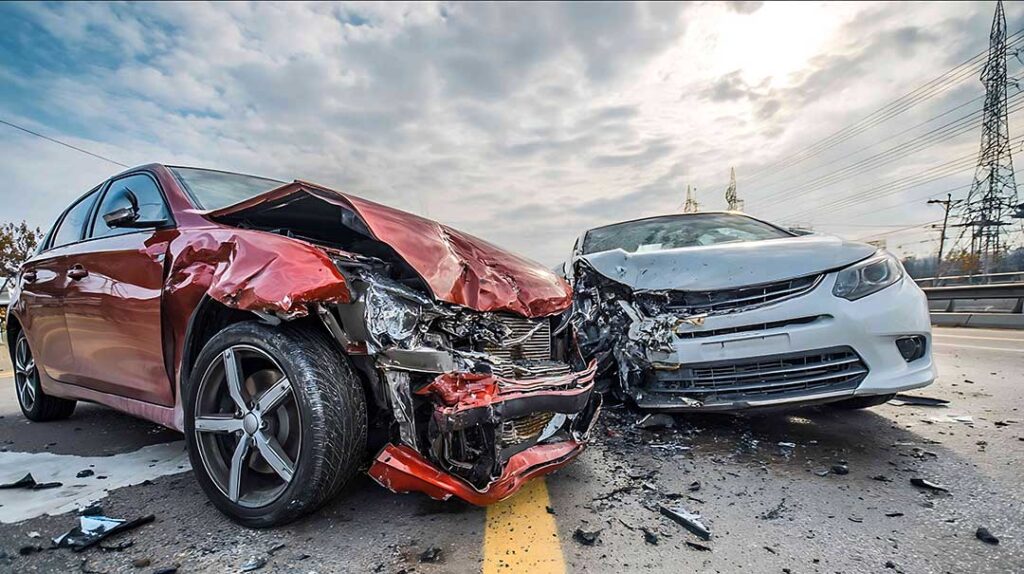
A car accident can leave people shaken, confused, and unsure which steps matter most. The decisions made during the first few hours and days can affect safety, medical care, insurance claims, and the ability to accurately explain what happened later.
For residents of Morgantown, winter weather, steep roadways, heavy traffic, construction zones, and sudden changes in road conditions can make collision scenes especially difficult to manage. The following mistakes are common, but avoidable.
What should you do first after a crash?
The first priority is safety, not fault or paperwork. Move out of traffic if it is safe to do so, turn on hazard lights, and call emergency services when anyone may be injured or the scene presents a danger.
Avoid these early mistakes:
- Leaving the scene without exchanging information or reporting the crash when required
- Standing in a travel lane or near moving traffic
- Moving an injured person unless there is an immediate danger, such as fire or a risk of another collision
- Arguing with another driver
- Trying to repair or conceal damage before it is documented
If a vehicle cannot be moved safely, remain in a protected location if possible. On roads affected by snow, ice, rain, fog, or limited visibility, additional collisions can occur within minutes.
Is it a mistake not to call law enforcement?
Often, yes. A police report creates an official record of the collision, identifies the drivers and vehicles involved, and may document statements, witnesses, road conditions, citations, and visible injuries.
West Virginia law requires crash reporting in situations involving bodily injury, death, or apparent total property damage of at least $1,000. Even when damage initially appears minor, calling law enforcement can be wise if:
- Anyone reports pain, dizziness, confusion, or other symptoms
- A driver appears impaired, aggressive, or unable to provide information
- The vehicles cannot be safely driven
- The drivers disagree about what happened
- A commercial vehicle, pedestrian, cyclist, or multiple vehicles are involved
- The crash occurs in poor weather or a confusing traffic pattern
Do not assume that a minor-looking impact cannot cause a significant injury. Some symptoms develop later, particularly with neck, back, shoulder, and head injuries.
Should you admit fault or apologize?
A simple apology may be intended as politeness, but statements made at the scene can later be interpreted as an admission of responsibility. Avoid arguing about fault or saying things such as “I was not paying attention,” “I caused this,” or “You should not have been there.”
This does not mean being evasive or uncooperative. Provide identifying information, answer reasonable questions from law enforcement, and describe observable facts accurately. A better approach is to say what you know without guessing:
- “I was traveling in the right lane.”
- “The impact occurred near the rear passenger side.”
- “I began feeling pain shortly after the collision.”
- “I do not know how fast the other vehicle was traveling.”
West Virginia uses comparative fault principles, meaning responsibility may be divided among the people involved. Early statements, photographs, witness accounts, and physical evidence can all become relevant to that analysis.
What information should you collect at the scene?
Do not rely solely on memory or assume the police report will contain every useful detail. If it is safe and practical, collect:
- Names and contact information for all drivers and passengers
- Driver’s license and insurance information
- Vehicle descriptions and license plate numbers
- Names and contact information for witnesses
- Photos of vehicle positions, damage, debris, traffic signals, lane markings, and road conditions
- Photos showing visibility, weather, lighting, potholes, ice, or obstructions
- The location, direction of travel, and approximate time of the collision
Take wide photographs before vehicles are moved when possible, followed by closer photographs of the damage. In a densely traveled area, vehicles may need to be relocated quickly, so photograph the scene as soon as safety permits.
Do not place yourself in danger to obtain a photograph. A missing picture is less important than avoiding another injury.
Is it a mistake to delay medical care?
Yes, especially when symptoms are present. Delaying treatment can make an injury harder to evaluate and can create confusion about whether the condition came from the crash or something else.
Seek prompt medical attention for symptoms such as:
- Neck or back pain
- Headache, dizziness, confusion, or unusual fatigue
- Numbness, weakness, or tingling
- Chest or abdominal pain
- Difficulty walking or using an arm
- Increasing soreness or restricted movement
- Emotional distress that interferes with sleep or daily activities

A person does not need to wait for severe pain before seeking care. Adrenaline can temporarily mask symptoms. Medical records also help document when symptoms began, how they progressed, and what treatment was recommended.
Do not exaggerate symptoms, but do not minimize them either. Tell medical providers about the collision and describe symptoms accurately.
What should you avoid saying to an insurance company?
Promptly report the crash to the appropriate insurer, but avoid guessing about fault, minimizing injuries, or giving a recorded statement before understanding what is being asked.
Common mistakes include:
- Saying “I am fine” when symptoms are still developing
- Guessing about speed, distance, or timing
- Speculating about what another driver saw or intended
- Discussing medical history beyond what is reasonably requested
- Accepting a quick settlement before the extent of injuries is known
- Signing documents without reading them carefully
Insurance representatives may ask routine questions, and cooperation may be required under a policy. Still, answers should be truthful, brief, and based on personal knowledge. Keep copies of claim numbers, correspondence, estimates, medical bills, and other records.
Property damage and bodily injury issues may move at different speeds. Resolving vehicle damage does not necessarily resolve an injury claim.
Should you post about the crash online?
Social media posts can create unnecessary problems. Avoid posting photographs, opinions, accusations, jokes, or updates about the collision, injuries, travel, work, or physical activities while a claim is pending.
Even an innocent post can be taken out of context. Privacy settings do not guarantee that information will remain private. Ask friends and family not to post about the collision or tag anyone involved.
Also avoid deleting existing posts or messages solely because a claim may arise. Preserve relevant information rather than altering it.
What evidence should you preserve after a collision?
Save photographs, dash-camera files, repair estimates, medical records, prescriptions, wage information, and communications with insurers. Write down what happened while memories are fresh, including:
- Where each vehicle was traveling
- Weather and road conditions
- Traffic signals or signs
- What was said at the scene
- When pain or other symptoms began
- Missed work, transportation problems, and daily activities that became difficult
Keep damaged clothing, child safety seats, helmets, or other items involved in the crash until their condition has been documented. Do not authorize repairs, dispose of the vehicle, or discard evidence before important damage has been recorded.
What deadlines or legal issues should you keep in mind?
A crash can involve reporting requirements, insurance deadlines, medical documentation, property damage questions, and a potential personal injury claim. Waiting does not always improve a person’s position. Witnesses may become difficult to locate, surveillance footage may be overwritten, and memories may fade.
If an injury is serious, fault is disputed, the other driver left the scene, insurance coverage is unclear, or a settlement document is presented, obtaining individualized legal guidance may be necessary to protect legal rights. The governing deadlines and available claims depend on the facts, and general information cannot determine how those rules apply to a specific collision.
The safest approach is to focus on immediate safety, accurate reporting, timely medical care, careful documentation, and truthful communication. Those steps help preserve reliable information while reducing avoidable complications after a crash.